If you’re booking a solo trip to Sapporo, the smartest first step is to build a full-trip cost estimate so you can compare realistic options before committing. Many travelers look only at the headline flight fare or a low nightly hotel price and miss add-ons that quickly change the total. This guide focuses on the specific checks that matter for Sapporo travel deals: airport access and transfers, how transit passes versus single fares affect daily costs, appropriate neighborhoods for a solo traveler’s budget, and the price-of-play for typical activities like skiing day trips or the city museums and markets. I’ll start with the practical shortlist—what to check and verify on provider pages—then explain tradeoffs so you can choose the plan that matches your comfort level and budget.
See current options before you compare the details
Availability and final conditions change. Open Trip.com now or keep reading for the practical comparison.
Build a realistic baseline budget before booking anything
Start by listing all costs you expect to pay from arrival to departure. Include transport to and from your home airport, checked baggage fees, the ticket or pass for airport transfer in Sapporo, two-way transit within the city, at least one backup night for schedule changes, and a per-day food and incidentals figure. For activities, estimate both the low and high scenarios—one museum visit versus a full-day outside-city excursion—so you can see the range of total trip costs. This baseline shows whether an attractive headline flight or hotel actually saves money once everything is added.
When you gather prices, note refund and change terms on each provider’s final booking page. For flights and some hotels, the cheapest rate often has strict no-refund rules. If your itinerary includes tight connections or seasonal events, a slightly more expensive flexible fare may be worth the extra because it reduces the chance of losing your whole payment. Always copy the cancellation and baggage rules into your notes so you can compare net risk, not just sticker price.
Compare airport transfer options and the hidden costs they bring
New Chitose Airport is the main gateway for Sapporo, and how you travel from the airport affects both time and budget. Options usually include an express train, regular local trains that may require a transfer, highway buses, taxis, and private shuttles. For each option, check luggage restrictions, frequency, and whether a late-night arrival forces a more expensive taxi. When you’re solo, a small increase for a direct, luggage-friendly transfer can be worth it for convenience and safety, but that premium should be visible in your total cost comparison.
If you plan to buy a regional rail or subway pass, calculate whether the pass price is recovered by your expected trips. Sometimes a multi-day transit pass saves money only if you plan multiple day trips or frequent subway use; otherwise single tickets or stored-value IC cards can be cheaper. On provider pages verify exactly what the pass covers—some include airport trains, others do not—and check any blackout dates or activation instructions that could affect value.
| Approach | Best for | Tradeoff to check |
|---|---|---|
| Book cheapest flight and cheapest hotel | Travelers who accept higher schedule and baggage risk for lower upfront spend | Low headline cost but higher chance of nonrefundable losses and extra transfer or baggage fees |
| Pay extra for flexible flight/hotel rates | Travelers who value schedule flexibility and reduced cancellation risk | Higher upfront cost but lower financial risk if plans change |
| Stay central and pay more per night | Solo travelers prioritizing evening safety, walkability, and time savings | Less money saved on lodging; may reduce daily transit and taxi expenses |
| Stay farther out with cheap nightly rates | Budget-focused travelers comfortable with extra transit time | Lower lodging cost but higher daily transit spend and longer evenings out |
Ready to check the option that fits your plan?
Use your exact dates and traveler details so the provider page can show the current total and conditions.
Choose a neighborhood with solo traveler needs in mind
Sapporo’s neighborhoods offer tradeoffs between nightly rate, walkability, and evening safety. Central areas near Odori Park and Susukino put restaurants, nightlife, and transit within walking distance, reducing short-trip transit costs and late-night taxi needs. More residential districts or areas near Sapporo Station can offer lower nightly rates while still providing good train access. For a solo traveler, balance savings against how much you value getting back and forth quickly at night and having easy access to convenience stores and late dining.
When checking hotels or guesthouses, confirm the practical details that matter: whether the property accepts late check-in, has secure luggage storage, and what exact transit lines are within walking distance. Look at photos and recent guest comments for actual proximity rather than claimed neighborhoods, and verify whether breakfast is included or available. Free breakfast can reduce daily food costs, but confirm exact hours and whether it suits your schedule before counting it in your budget.
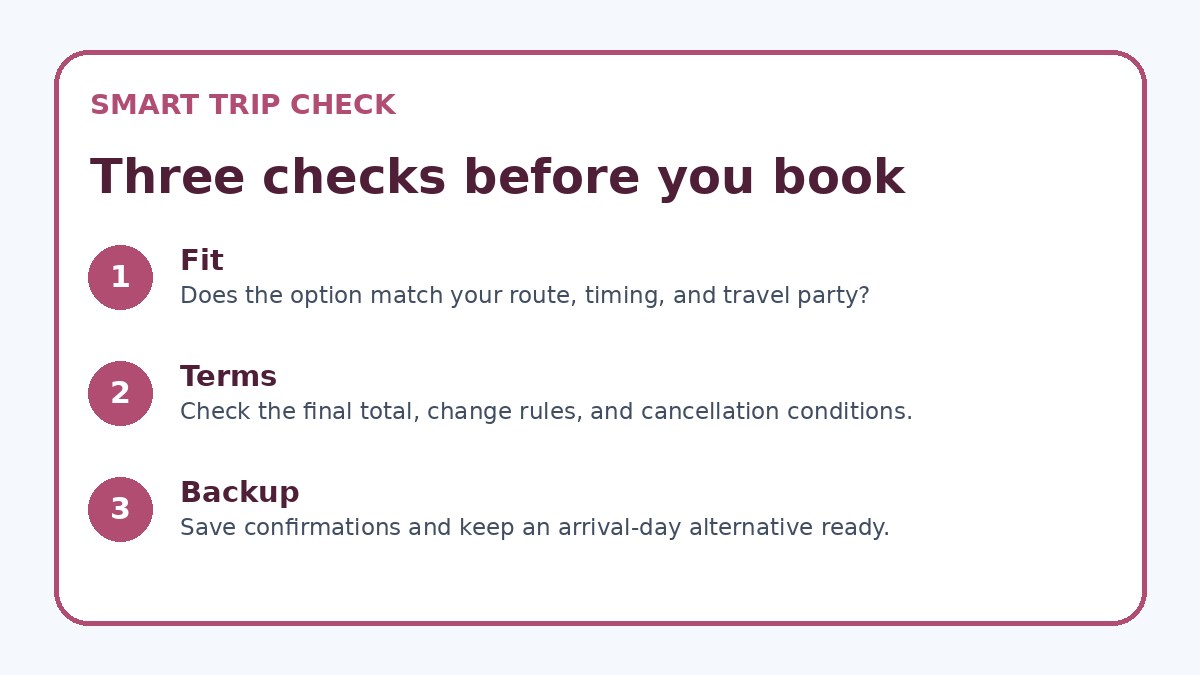
Before you book
- Sum refundable and nonrefundable costs separately: ticket fare, first-night charge, prebooked transfers, and activity deposits.
- Verify baggage allowance and change/cancellation rules on the airline’s final booking page before choosing a fare.
- Compare airport transfer options and note exact pickup times, luggage limits, and whether night arrivals require alternate transport.
- Confirm hotel check-in window, late-check-in policy, and on-site luggage storage availability on the property’s booking page.
- Estimate food and incidental daily spending and add specific costs for any planned rentals, lift tickets, or guided tours.
- If using a transit pass, verify what lines and airport transfers are included, activation rules, and whether day-by-day single tickets are cheaper.
Factor seasonal costs and optional activity pricing into the final decision
Sapporo’s costs shift with the season. Winter brings extra spending on warm clothing, ski or snowboard rentals, and day-trip transport for ski areas; summer can raise costs for festival tickets or guided hikes. When you evaluate Sapporo travel deals, list likely extras such as equipment rental, lift tickets, guided tours, or museum admissions and check booking pages for exact refund and change rules. That prevents an understated budget where the headline deal still requires substantial extra spending to do what you planned.
Also factor timing and flexibility: a refundable hotel rate or a flight with free date changes can let you adjust if weather or a local event changes your plan, and that flexibility has a cost you should weigh. For day-trip excursions, check group sizes and included transfers—private transfers and guided tours will cost more but may simplify logistics and reduce the chance of unplanned expenses if you miss a train or arrive late.
Frequently asked questions
How do I know whether a regional transit pass is worth it for my Sapporo trip?
To decide if a regional transit pass is worthwhile, list the trips you expect to take: airport transfer, daily subway or tram trips, and any planned day trips to nearby towns or ski areas. Add the single-ticket costs for those journeys and compare the sum to the pass price. Don’t forget activation rules; some passes require consecutive days of travel to be cost-effective. Also check whether the pass covers the airport train specifically—if it doesn’t, you’ll still pay that transfer separately, which can change the math.
What should solo travelers check about accommodation safety and convenience in Sapporo?
Solo travelers should confirm precise proximity to the nearest train or subway station, whether the neighborhood is well-lit at night, and if late check-in is possible. Look for properties that offer secure storage for luggage, 24-hour front desk or clear late-arrival instructions, and easy access to convenience stores and restaurants. Read recent guest comments for mentions of noise and safety, and verify the provider’s cancellation and refund policy on the final booking page to avoid costly surprises.
How can I avoid hidden costs when booking activities and day trips from Sapporo?
When booking activities, check the provider’s final booking page for included transfers, exact start times, meeting points, equipment rental, and whether entrance fees are part of the price. Note whether the tour assumes you have physical gear (like winter boots) or includes them for an extra charge. Also examine cancellation and minimum-participant policies that could cause last-minute surcharges—knowing these details lets you accurately add activity costs to your trip budget rather than being surprised later.
Final planning note
Checking the full trip cost before booking transforms a tempting Sapporo travel deal into a reliable plan rather than a gamble. For solo travelers, the major variables are airport transfer choices, neighborhood tradeoffs for safety versus nightly cost, and seasonal extras like rental gear or festival tickets. Build a clear budget with refundable and nonrefundable items separated, verify rules on each provider’s final booking page, and compare total outlay across the decision approaches above. With that clarity you’ll pick the option that balances your comfort, flexibility, and budget without unpleasant mid-trip surprises.
Continue planning
Check current options and final conditions
Use the provider page to confirm live availability, the final total, cancellation terms, and every condition that matters to your trip.
This evergreen planning guide was created with AI-assisted drafting and a structured quality review. It does not display live prices, schedules, availability, visa guidance, or provider rankings. Verify current details before booking. Some links are affiliate links; we may earn a commission at no additional cost to you.