If you travel to London with extra luggage, price alerts can save time—but they can also entice rushed decisions that mismatch baggage needs and cancellation rules. The practical approach is simple: set targeted alerts for identical trip parameters, then only act when a clear cost-and-terms comparison favors one option. That means first locking down travel dates, number of travelers, and exact luggage allowances you require. Next, compare the same dates and passenger count across package and separate bookings, checking what each quote includes: baggage weight/size, transfers, seat selection, and change or refund rules. Use alerts to surface options, not to decide automatically—treat each alert as a prompt to verify line-by-line inclusions on the provider’s final booking page before committing.
Test package value fairly
| Booking approach | Best for | Tradeoff to check |
|---|---|---|
| Full bundle (flight + hotel + transfers) | Travelers who value single-provider handling and standard baggage needs for each passenger. | May conceal carrier-specific baggage limits or restrictive flight rules; verify every inclusion before booking. |
| Flight-plus-hotel booked separately | People wanting flexibility to pick a carrier with generous baggage or change policies while choosing any hotel. | Requires comparing more components and managing separate providers in case of disruption. |
| Flight only, add hotel later | Travelers prioritizing a specific carrier’s baggage policy or fare class, then finding lodging to match. | You may miss package transfer savings and must coordinate arrival logistics yourself. |
| Rail or coach to London plus local hotel | Those with heavy or awkward luggage avoiding airline baggage fees and preferring predictable extra space. | Travel time and connections vary; compare luggage allowance rules and total travel time against convenience. |
Check current package and separate options
Use identical dates, travelers, room needs, baggage, and flexibility so the comparison stays meaningful.
What to compare before judging a bundle’s value
Begin every comparison with an apples-to-apples baseline. For London travel deals that include flights and hotels, ensure both the bundle and the separate bookings use the same travel dates, number of passengers, and arrival/departure airports. For travelers with extra luggage, the decisive line items are checked baggage allowance, weight/size limits, and whether the fare includes a second bag or charges per piece. Also line up ground transfers, airport-hotel connections, and any compulsory airport taxes or carrier surcharges that may be folded into a package but itemized when booked separately.
Next, check what the bundle lists under inclusions versus the separate components. Does the package explicitly include baggage and transfers, or does it advertise a low headline price while treating baggage as an optional add-on at checkout? Confirm the same traveler-specific services—like pre-assigned seats, priority boarding, and family or group seating—appear or are quoted with a clear price. If the package saves money only by removing baggage or flexibility, that saving likely won’t hold for a traveler carrying extra luggage.
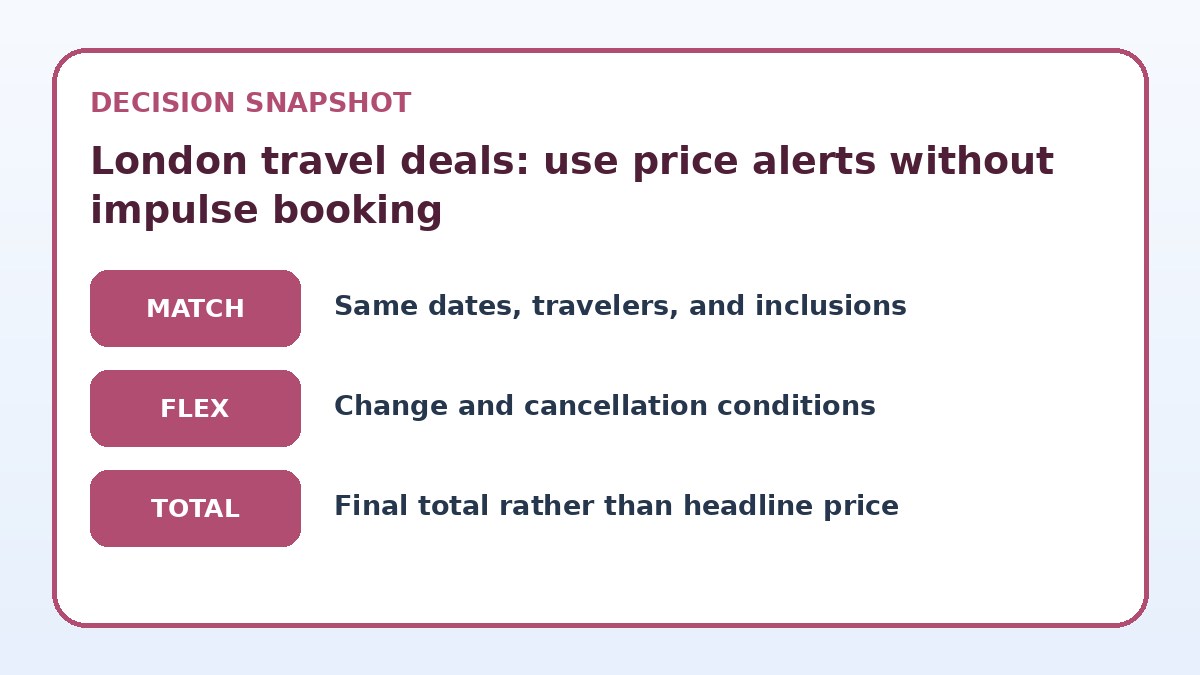
Inclusions and flexibility: how they affect travelers with extra luggage
Inclusions matter more than the headline price when excess baggage is involved. A slightly higher base fare that includes two checked bags and free changes can be cheaper overall than a low-cost fare plus baggage fees. Equally important is flexibility: know the exact change and cancellation rules that will apply. Does the package allow flight changes without penalties, or does it reprice through a nonrefundable ticket class? Verify whether any promised flexibility applies equally to flights, hotels, and transfers—sometimes a package’s hotel is flexible while the flight is tightly restricted.
Always read the fine print on baggage policies, because carriers and hotel transfer providers differ in how they handle oversized items and sports equipment. If you plan to bring bulky luggage—golf clubs, skis, or extra suitcases—check whether the quoted baggage allowance covers those items or whether they’ll trigger special handling fees. On the provider’s final booking page, confirm baggage weight, number of pieces allowed, and per-piece fees, and if necessary, ask customer service for written confirmation before paying.
Look past the headline total
Compare inclusions and change conditions before deciding whether a package is genuinely useful for this trip.
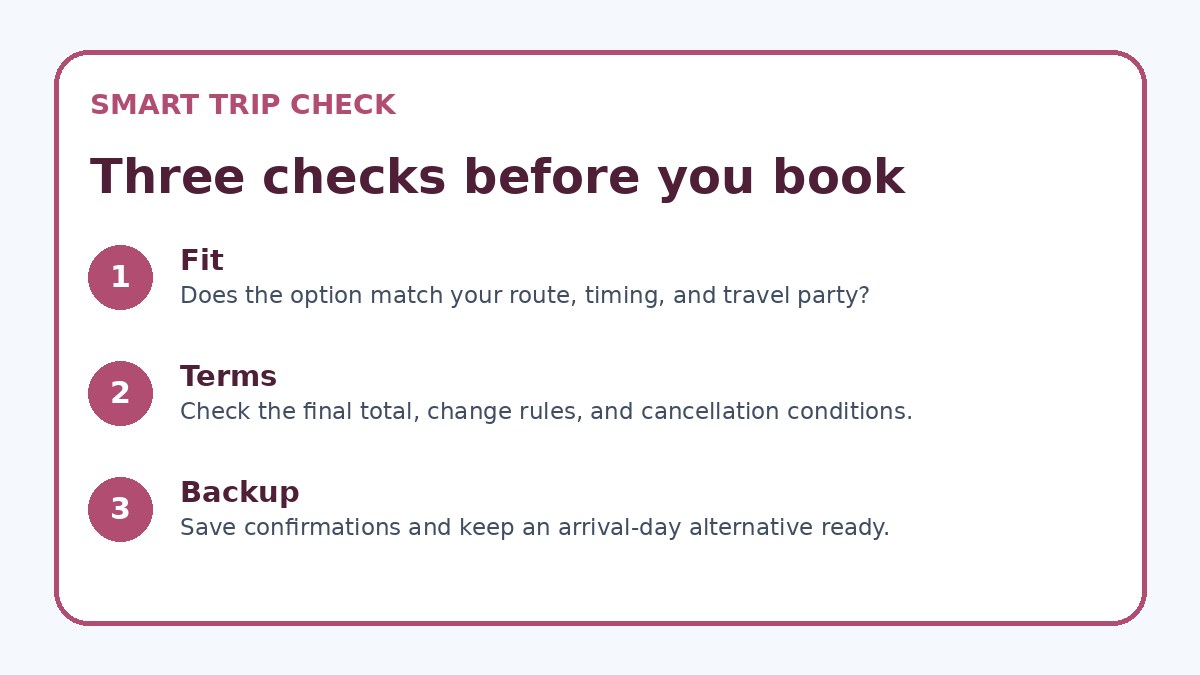
Deal comparison checklist
- Lock your travel dates, number of travelers, and exact baggage needs before creating price alerts.
- Create identical alerts for bundled packages and separate flight/hotel searches using the same search parameters.
- When an alert fires, open the provider’s final checkout page and compare total price, baggage inclusions, and change fees.
- Calculate the out-the-door cost including per-piece baggage fees, seat selection, transfer fees, and taxes.
- If baggage rules are unclear, contact the airline or booking provider and save written confirmation of allowances.
- Take screenshots of the checkout summary and terms of carriage or hotel cancellation policy before completing payment.
Traveler-specific value: who benefits from a bundle vs separate booking
Bundles can suit travelers whose needs align tightly with what’s included—standard baggage allowances, predictable arrival times, and fixed hotel locations near public transit. If your luggage needs are typical and the package lists baggage and transfers, booking a bundle may reduce administrative hassle because one provider handles disruptions. However, if you travel with oversized or numerous bags, or if you anticipate schedule changes, separate bookings let you tailor each component: choose a carrier with generous baggage terms, select a hotel with luggage storage, or add a private transfer that accommodates large trunks.
Think about who in your party has the most restrictive requirements. Families or groups with multiple checked bags often save by bundling when baggage is included for each passenger. Solo travelers with specialized gear might prefer separate bookings to pick a carrier or rail service that handles their equipment without extra fees. Always calculate the total door-to-door cost for both approaches, including baggage surcharges, seat selection, and any compulsory transfers, then weigh convenience against potential extra fees or inflexibility.
Final terms and the booking checklist before you buy
Before acting on any alert, read the provider’s final booking page and terms of carriage or hotel cancellation policy carefully. Verify exact baggage allowances (pieces, weight, and dimensions), whether transfers are included or optional, and what happens if you must change dates. If an alert points to a package, confirm whether the bundled price is refundable and which components have separate rules—sometimes the hotel portion is flexible while the flight is not. On the checkout page, look for box-checked extras added automatically and remove items you don’t need to see a clean comparison.
If anything is unclear, contact the provider and record the response. Keep copies of the booking terms and screenshots of the checkout summary that show inclusions and total price. If you use third-party aggregators, open and verify the offer on the supplier’s final booking page before paying. Trip.com can be a place to compare availability, but always confirm baggage and cancellation specifics on the airline’s, hotel’s, or transfer operator’s official page to avoid surprises.
Travel Deals & Booking Strategy questions travelers ask
How should I set price alerts so they don’t push me into impulse bookings when traveling to London with extra luggage?
Set alerts narrowly: use exact dates, passenger count, and specify cabin class or fare type if possible. Create parallel alerts for bundled packages and for flights-only plus hotels separately so you see comparable offers. Use the alert only as a trigger to open the supplier’s checkout; never rely on the alert’s headline price alone. Before booking, verify baggage allowances, change and cancellation terms, and any automatic extras on the final booking page. That discipline turns alerts into research tools rather than impulse drivers.
If a bundle looks cheaper, how do I check whether it actually saves me money with my extra bags?
Compare total costs using the same assumptions: same dates, same number of travelers, and the baggage you plan to bring. On both the bundle and separate quotes, add any baggage fees beyond the included allowance, seat selection fees, transfer charges, and cancellation penalties. Check whether the bundle’s advertised inclusions explicitly list baggage pieces and weight. If they’re vague, ask the provider to confirm in writing. Only consider the bundle cheaper once all add-ons and restrictions are quantified and compared.
Can price alerts capture baggage policy changes or only fare changes for London travel deals?
Most alert systems track price changes for the itinerary, not the carrier’s baggage policy itself. Baggage rules can change independently of fares, so always verify the carrier’s current baggage policy on its official site during checkout. If a bundle includes transfers or hotel services, confirm those providers’ terms as well. Treat alerts as a heads-up to recheck terms rather than a final verdict—double-check baggage allowances and fees on the supplier’s final booking page before you pay.
Final decision note
Price alerts are a valuable tool for hunting London travel deals, but they should not replace disciplined comparison—especially if you travel with extra luggage. Start by fixing your non-negotiables: dates, passenger count, and the exact baggage you need. Use parallel alerts to capture both bundles and separate booking offers, then inspect the final checkout pages line by line. Confirm baggage allowances, change and cancellation rules, and whether transfers are actually included. When in doubt, contact the supplier for written confirmation and keep screenshots of the checkout summary. That routine turns alerts into informed opportunities rather than impulse traps, helping you travel to London with the luggage you need and the protection you expect.
Continue planning
Check current options and final conditions
Use the provider page to confirm live availability, the final total, cancellation terms, and every condition that matters to your trip.
This evergreen planning guide was created with AI-assisted drafting and a structured quality review. It does not display live prices, schedules, availability, visa guidance, or provider rankings. Verify current details before booking. Some links are affiliate links; we may earn a commission at no additional cost to you.