If you’re traveling to Melbourne with extra luggage, the practical first step is to set price alerts for both bundled packages and separate bookings — but don’t let an alert alone trigger a purchase. Compare the same travel dates, number of passengers, baggage allowances, and cancellation rules before you act. Bundles can simplify logistics, yet separate flight and hotel bookings sometimes let you choose a lower-cost baggage option or a more flexible fare. Use alerts to spot movement, then pause to run a side-by-side comparison: total cost for the itinerary, baggage fees per piece, change/cancellation rules, and whether seat selection or transfers are included. That checklist keeps impulse buys from turning into a costly mistake when oversized bags or extra pieces are involved.
Test package value fairly
| Booking approach | Best for | Tradeoff to check |
|---|---|---|
| All-in-one package (flight+hotel+baggage included) | Travelers who prioritize convenience and predictable door-to-door logistics | May limit flexibility and hide strict prepayment or nonrefundable terms that complicate changes with extra luggage |
| Book flight and hotel separately but prepay checked bags | Those who want precise control of baggage allowances while keeping hotel choices flexible | Requires more booking effort and careful arithmetic to avoid missing cheaper bundled perks |
| Flight-only alert plus flexible hotel (pay at property) | Travelers prioritizing refundable hotel options and airline fare choice for baggage | Potentially higher total cost if flights with included baggage are unavailable or change fees apply |
| Hybrid: package for transfers and hotel, separate flight for baggage-friendly fare | Those wanting transfer convenience but who need specific airline baggage rules | You must verify provider coordination and accept the administrative overhead of multiple suppliers |
Check current package and separate options
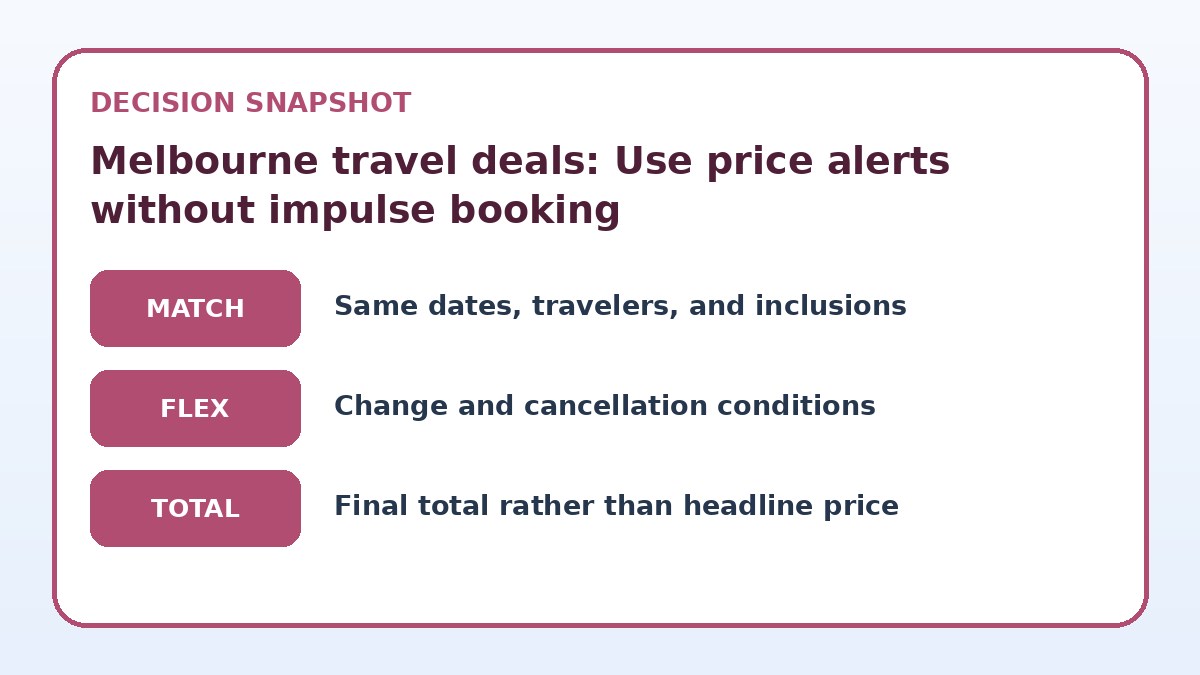
Use identical dates, travelers, room needs, baggage, and flexibility so the comparison stays meaningful.
What to compare before you judge a package
Start by lining up identical search criteria: same travel dates, same number of travelers, same room type and length of stay, and the exact baggage needs (number of pieces, weight, and oversize dimensions). Examine whether the package lists specific baggage inclusions or simply states ‘checked baggage included’ — if it doesn’t specify weight or piece limits, verify on the provider’s final booking page. Confirm whether seat selection, transfers, and travel insurance are part of the bundle or are optional add-ons. Only when the search parameters match can you fairly judge whether a package is actually cheaper than booking components separately.
Next, compare the fine print that affects value: change and cancellation policies, refundability, and penalties for name changes or reissued tickets. For hotels verify whether their rate is prepaid or pay-at-property and what the check-in terms are; for flights check fare class rules because those determine free baggage, upgrades, and rebooking fees. If trains, ferries, or car rentals are part of the bundle, inspect each provider’s terms on their final booking screens. Always capture screenshots or save confirmation pages showing baggage and refund rules in case vendor pages update after purchase.
Inclusions that matter most for extra-luggage travelers
The most relevant inclusions when you carry extra luggage are explicitly listed checked-bag pieces and their dimensions, the baggage weight allowance per person, and any transfer or handling services between arrival points and hotels. A package that includes two checked bags per person may look attractive, but check whether those bags are subject to a combined weight limit or per-piece limits. If the package includes airport transfers, verify whether drivers help with heavy or oversized items and whether there are extra charges for large items like surfboards or sports equipment.
Also confirm whether seat selection and advance boarding are included on flights: these reduce the chance you’ll pay extra to secure overhead bin space for carry-on overflow. For accommodation, look for information on lift access, luggage storage before check-in or after checkout, and any porter fees. If you’ll rent a car in Melbourne or nearby, ensure roof racks or large-vehicle options are available and that the rental company’s policy on transporting bulky items is clear on the booking page.
Look past the headline total
Compare inclusions and change conditions before deciding whether a package is genuinely useful for this trip.
Deal comparison checklist
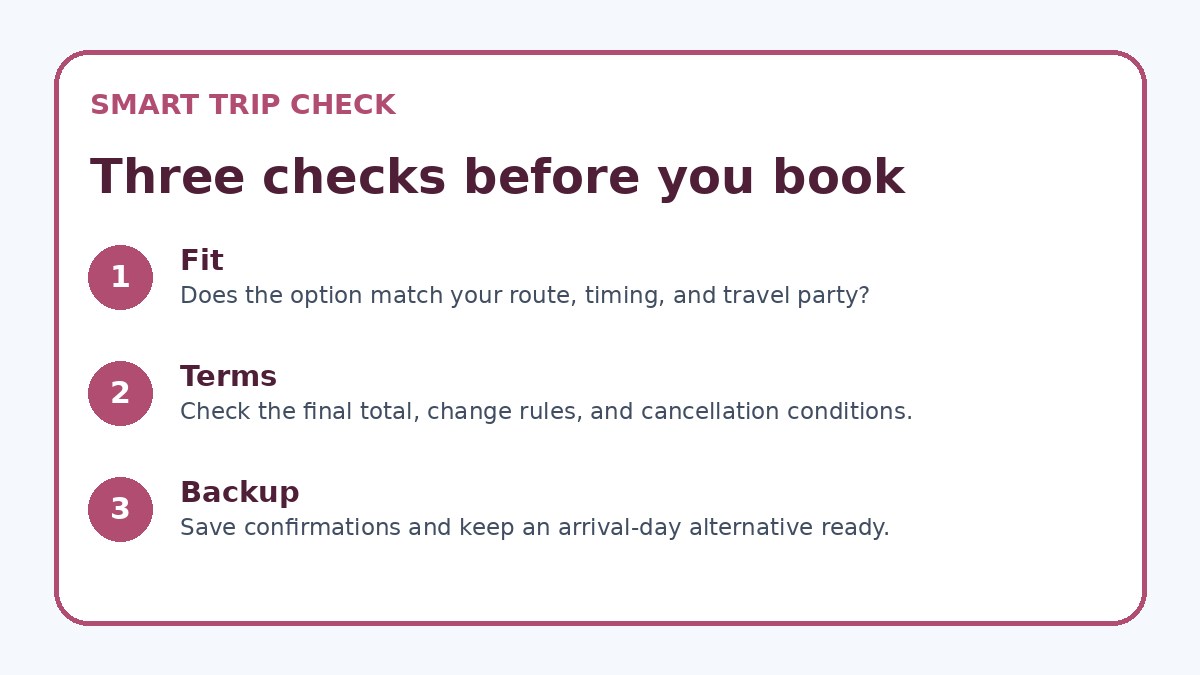
- Set alerts for both package totals and for separate flight and hotel components using identical travel dates and passenger counts.
- When alerted, record the total cost of each option including per-piece and overweight baggage fees you expect to incur.
- Open each provider’s final booking page and confirm fare class, baggage weight limits, piece allowances, and cancellation terms before purchasing.
- Compare refund timelines and penalties — note exact deadlines and where refunds are processed on the vendor’s confirmation page.
- Decide a maximum all-in price that includes expected baggage fees and any transfer or porter charges, and stick to it.
- Allow a fixed decision window (for example 24–48 hours) after an alert fires to avoid impulsive purchases driven by short-term price moves.
Flexibility and decision criteria when an alert fires
When a price alert notifies you of a change, set a short decision process: compare total out-the-door costs for package versus separate bookings, check baggage allowances, and review change/cancellation terms. Prioritize flexibility if your schedule could shift — a slightly higher refundable fare or a hotel with a free-cancellation window may be worth the premium compared with a non-refundable package that forces rebooking fees. If the package requires prepayment, note exactly what is refundable and by which date; verify those details on the vendor’s booking page where refund processing and timelines are stated.
Factor in the operational risk for bulky luggage: an included checked bag that’s weight-limited could still attract overweight fees, while booking with an airline that sells generous per-piece allowances might save money even if the base fare is higher. Decide in advance how much you value convenience versus potential savings, set a maximum total price you’re willing to pay including expected baggage fees, then use that cap to prevent impulse buys when alerts show a tempting headline price.
How to use price alerts without impulse booking
Use alerts as a temperature check, not a trigger. Configure alerts for package totals and for the separate components (flight-only and hotel-only) and tag each alert by the baggage scenario you’ll actually use. When an alert arrives, open a comparison spreadsheet or note that lists total price, baggage included, baggage fees if not included, change/cancellation policy, and whether transfers or other conveniences are bundled. Give yourself a fixed pause — for example 24–48 hours — to run this checklist before committing, and avoid clicking “buy” directly from the alert message.
If you want extra discipline, set an internal rule such as ‘only buy when the package saves at least X dollars after adding expected baggage fees and meets my cancellation flexibility threshold.’ Alternatively, use a service to lock fares for a fee if available, or capture screenshots and contact providers with written questions about baggage limits before payment. Remember to recheck all provider pages at checkout since bundle terms or baggage inclusions can change between alert and purchase; always verify the final booking page before confirming.
Travel Deals & Booking Strategy questions travelers ask
How can I include oversize sports equipment when comparing Melbourne travel deals?
Don’t assume a bundle’s ‘baggage included’ covers oversize items — verify specifics on the provider’s final booking page. Look for explicit mentions of sports equipment, surfboards, or music instruments and any extra handling fees. If a package includes airport transfers, check whether drivers will load oversize items and whether there’s a size or weight limit for trucks or vans. When in doubt, contact the airline or transfer provider directly and request written confirmation of their policy and any additional charges before you finalize payment.
If a price alert shows a cheaper package, what quick checks should I run before booking?
Compare the package’s total out-the-door cost to separate bookings using the same dates and passenger details, include expected baggage fees, and verify change and cancellation rules. Inspect whether the package requires prepayment and what’s refundable. Confirm baggage-piece limits and weight allowances on the booking page, and check seat selection or advance boarding options. If these checks reveal that flexibility or baggage handling is inadequate for your needs, the apparent saving may not hold up after you add fees or when you need to change plans.
Can price alerts help me time the market for a better baggage-inclusive fare?
Yes — alerts reveal fare movement and let you monitor when carriers or package providers add baggage-inclusive options, but don’t let a low-alert price force an immediate decision. Use alerts to spot patterns and set a predefined target or maximum price that factors in baggage needs. If you require flexibility, prioritize alerts for refundable fares or packages with flexible hotel terms. Always recheck the provider’s final booking screen for baggage allowances and change fees before buying, because availability and terms can change between the alert and checkout.
Final decision note
Travelers to Melbourne with extra luggage can use price alerts as an effective tool without falling into impulse booking traps by practicing a disciplined comparison routine. Always align search parameters — dates, traveler count, room types, and exact baggage needs — before you judge a package versus separate bookings. Verify inclusions and cancellation rules on the provider’s final booking page, factor in any expected overweight or oversize fees, and set a firm maximum total price that includes those charges. If an alert triggers, pause to run the checklist and apply your decision criteria; this turns alerts into informed opportunities rather than pressure to buy.
Continue planning
Check current options and final conditions
Use the provider page to confirm live availability, the final total, cancellation terms, and every condition that matters to your trip.
This evergreen planning guide was created with AI-assisted drafting and a structured quality review. It does not display live prices, schedules, availability, visa guidance, or provider rankings. Verify current details before booking. Some links are affiliate links; we may earn a commission at no additional cost to you.