
If you want fewer crowds, milder weather and a better chance of family-friendly value, plan Mexico City travel deals around the shoulder seasons—late spring (after Easter) and early fall (after mid-August). For families, these windows usually mean more comfortable daytime temperatures for preschoolers and grandparents, easier museum and site access, and better chances of snagging flexible rooms or family suites without the peak-season crowding. The tradeoff is occasional rain in fall and fewer fixed-date festivals that attract special event pricing. This guide explains how to weigh weather, school schedules, and activity priorities; what to compare when booking flights and accommodation; and specific checks for transport, kid-focused attractions, and cancellation terms so you make practical choices for your family.
See current options before you compare the details
Availability and final conditions change. Open Trip.com now or keep reading for the practical comparison.
Why shoulder seasons often work best for families
Shoulder seasons are the practical compromise between peak-season crowds and off-season drawbacks. For families, smaller lines and more available time slots at top museums and attractions reduce the stress of keeping children entertained between scheduled activities. Hotels often have better room availability for family configurations—think adjoining rooms or larger suites—so you can prioritize space and convenience over a marginal nightly savings.
The weather in Mexico City during late spring and early fall is generally temperate, which makes walking between neighborhoods, markets and plazas easier for small children and older relatives. Because these periods fall outside the biggest holiday travel windows, you’ll often find more flexible cancellation and rescheduling options, which matter if illness or school changes force last-minute adjustments.
What to compare when searching Mexico City travel deals
When comparing offers, evaluate total door-to-door travel time, luggage allowances and change fees rather than just headline fares. For families, an extra connection that reduces cost might not be worth added travel stress; conversely, a modestly cheaper fare with better departure times can be a smart trade if it aligns with nap schedules and airport logistics. Use filters for family seating and verify baggage rules on the carrier’s booking page before finalizing.
For accommodation, compare room configurations, breakfast and onsite childcare or play areas, plus proximity to reliable transit or taxi services. Check whether the property provides cribs and whether connecting rooms are guaranteed or request-only; verify these specifics on the hotel’s booking or confirmation page. If you plan day trips to Xochimilco or nearby archaeological sites, factor in the extra transit time when evaluating hotel location and public transport options.
| Approach | Best for | Tradeoff to check |
|---|---|---|
| Book fastest nonstop flights | Families prioritizing less travel time and fewer connections | Higher fares and less schedule flexibility around kids’ routines |
| Choose cheaper connecting flights | Families on a tighter budget who accept longer travel days | More transit stress, potential delays and added luggage complexity |
| Stay in central neighborhoods (e.g., Condesa or Polanco) | Families wanting walkable access to parks and museums | Higher nightly rates and less quiet at night in tourist areas |
| Pick quieter residential neighborhoods | Families seeking more space, local markets and lower noise | Longer transit times to major attractions and some museums |
Ready to check the option that fits your plan?
Use your exact dates and traveler details so the provider page can show the current total and conditions.
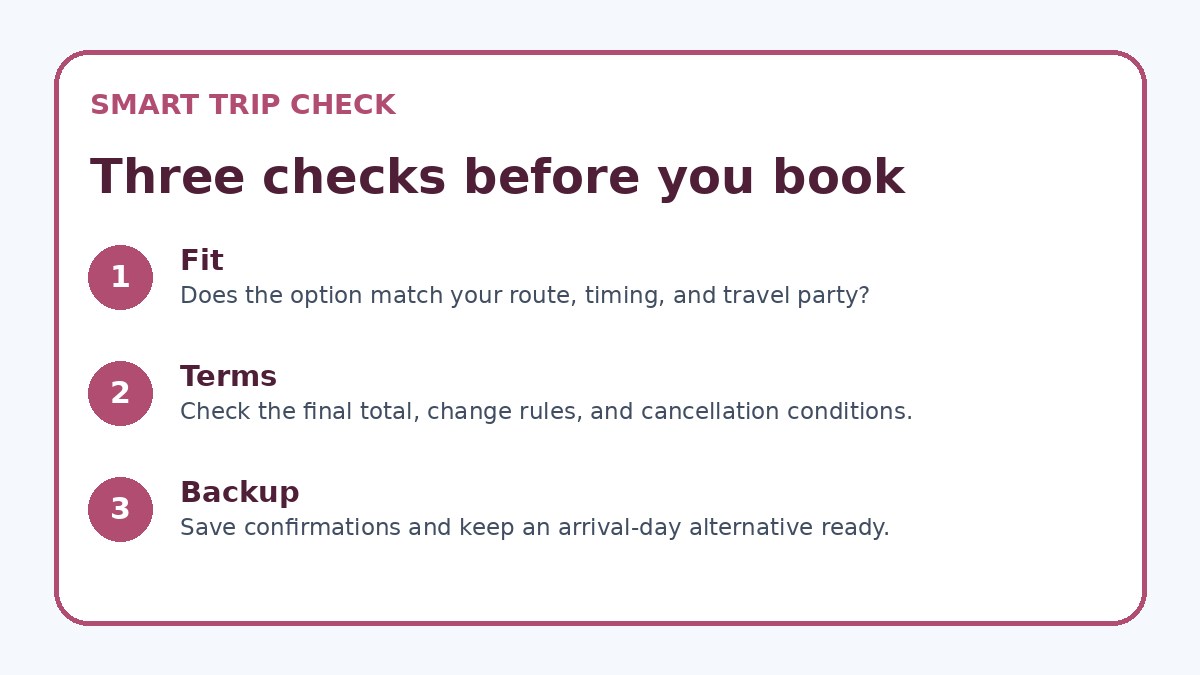
Tradeoffs to expect: weather, events and school calendars
Late spring shoulder season can still include holiday spikes around Easter and national holidays, and early fall may bring intermittent rain showers that affect outdoor programming. If your family prioritizes outdoor attractions like Chapultepec Park or open-air markets, prioritize dates with lower historical rainfall and include covered alternatives in your schedule. Balancing school schedules and affordable fares often means accepting either slightly higher peak prices or the risk of going during wetter weather.
If special events or school break windows matter, weigh the value of those experiences against the stress of crowds. Festivals, parades and holiday programming can be memorable for kids but tend to push up hotel and flight demand. Decide whether a cultural highlight is worth booking nearer a busy date, or if you’d rather enjoy widely available attractions with more relaxed arrangements during a quieter shoulder period.
Before you book
- Check flight baggage allowances, seat assignment policy and change fees on the carrier’s final booking page before purchasing.
- Confirm hotel room type, crib availability, connecting-room guarantee and any child fees on the property’s confirmation email or booking page.
- Reserve timed-entry tickets for major indoor attractions to avoid lines and secure morning or early-afternoon slots for kids.
- Pack a small day-umbrella, waterproof shoes for kids and at least one indoor activity for a rainy shoulder-season afternoon.
- Identify the nearest pharmacy, urgent care or hospital to your chosen neighborhood and save the address and phone number locally.
- Plan one low-activity day after arrival and list two indoor backup venues (museum, market, aquarium) in case of rain or jet lag.
Practical booking checks for families before you finalize
Before you click purchase, confirm refundable or changeable ticket options for flights and lodging—verify the exact penalty terms on the airline or hotel booking page. For air travel, note minimum connection times and whether infant/child seating is assigned at booking or at check-in. For hotels, confirm bed types, crib availability and any extra-person charges on the property’s confirmation page, and keep a screenshot of those details.
Also verify practicalities: proximity to hospitals or pharmacies, public transit lines that are stroller-friendly, and whether the neighborhood feels walkable and safe for evening strolls with kids. Look up opening days for major family attractions to avoid a blocked day, and prebook timed-entry museums or shows when available to minimize waiting. Trip.com can be one of several sites you check for current availability, but always confirm final terms on the provider’s own page.
Frequently asked questions
How much time should a family spend in Mexico City to see key attractions without rushing?
For a relaxed family pace, plan four to six full days in Mexico City. That allows time for major highlights—museums, Chapultepec Park, a market visit and a day trip or two—without back-to-back museum marathons. Build in one full low-key day for rest or weather-related changes, and avoid scheduling more than one long transit day in a row; children and older travelers benefit from shorter, varied days. Tailor the number of days to your family’s energy and interests: add extra days if you plan multiple day trips outside the city.
Are there parts of the year when Mexico City is a poor choice for a family trip?
Very hot, smoky or heavily rainy periods can make outdoor days uncomfortable, and major holiday weeks bring crowds that might complicate family logistics. If your family is sensitive to heat or poor air quality, avoid the hottest stretches and check historical climate trends for your travel window. Similarly, if you rely on school holiday dates, expect higher demand and reduced flexibility. Choosing shoulder seasons helps avoid extremes, but always review short-term weather forecasts and venue operating calendars before finalizing plans.
How should families decide on lodging location in Mexico City?
Prioritize convenience and safety: a neighborhood with easy access to public transit or reliable taxis saves time and reduces stress with children. Consider proximity to a park or plaza for daily playtime, and check that walking routes are stroller-friendly if you’ll bring one. Balance convenience against budget—central neighborhoods reduce transit time but can cost more—so weigh how many attraction commutes you’ll make each day. Read recent guest reviews for family-specific comments, and confirm room layouts and child amenities directly with the property.
Final planning note
Planning Mexico City travel deals around shoulder seasons gives families a practical balance: milder days, shorter lines and more flexible accommodation options. The key choices are simple—prioritize travel time and seat comfort for flights, confirm hotel family amenities and room types, and build indoor alternatives for rainy days. Use the checklist items to verify details on booking pages and keep at least one buffer day in your itinerary to handle jet lag or weather changes. With a few targeted comparisons and confirmations, you can tailor a family trip that minimizes stress and maximizes memorable experiences in Mexico City.
Continue planning
Check current options and final conditions
Use the provider page to confirm live availability, the final total, cancellation terms, and every condition that matters to your trip.
This evergreen planning guide was created with AI-assisted drafting and a structured quality review. It does not display live prices, schedules, availability, visa guidance, or provider rankings. Verify current details before booking. Some links are affiliate links; we may earn a commission at no additional cost to you.